Introduction
In 2026, businesses operate in a fast-paced, technology-driven environment where efficiency, scalability, and innovation determine success. Off-the-shelf software often fails to meet unique business needs, leading organizations to adopt custom software development as a strategic solution.
Custom software development is not just about writing code—it is a comprehensive process that involves planning, design, development, integration, testing, deployment, and continuous improvement. It is tailored specifically to your business requirements, ensuring maximum efficiency and long-term value. This blog provides a detailed breakdown of what custom software development includes in 2026, helping businesses understand the complete lifecycle and why choosing the right partner like Trionova is critical.
This blog provides a detailed breakdown of what custom software development includes in 2026, helping businesses understand the complete lifecycle and why choosing the right partner like Trionova is critical.
1. Requirement Analysis and Business Understanding
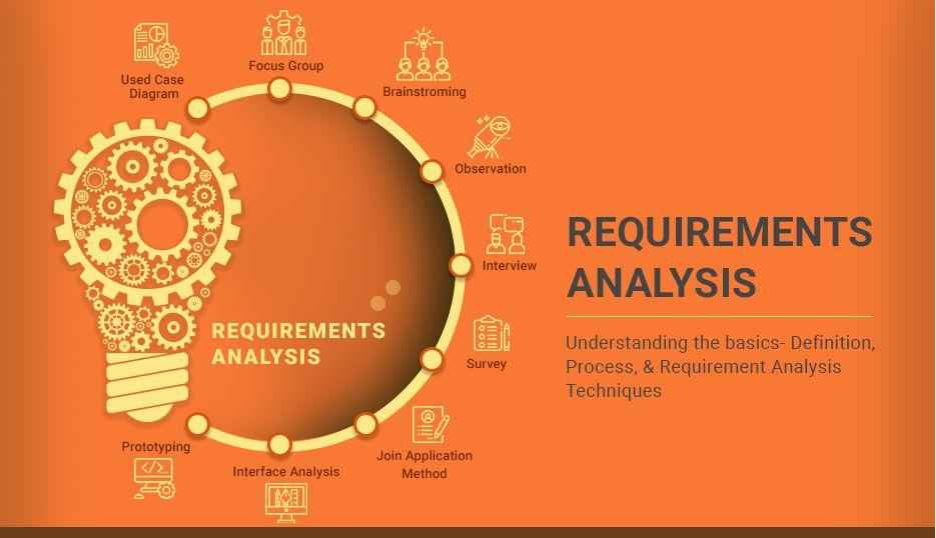
Every successful software project begins with a deep understanding of the business.
What this includes:
- Identifying business goals
- Understanding user needs
- Analyzing current challenges
- Defining project scope
Why it matters:
Without proper requirement analysis, software may fail to meet expectations. This stage ensures that the solution is aligned with business objectives from the start.
2. Strategic Planning and Roadmap Creation
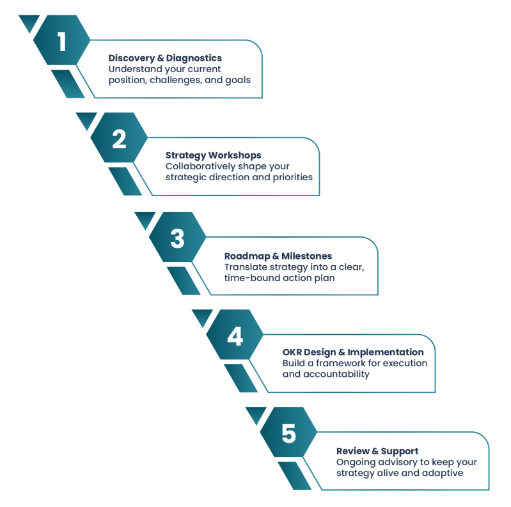
Once requirements are clear, the next step is to create a structured plan.
Key elements:
- Project timeline
- Resource allocation
- Technology selection
- Development methodology (Agile, Scrum, etc.)
Benefits:
- Clear direction
- Reduced risks
- Efficient execution
Planning acts as a blueprint for the entire development process.
3. UI/UX Design (User Experience & Interface)
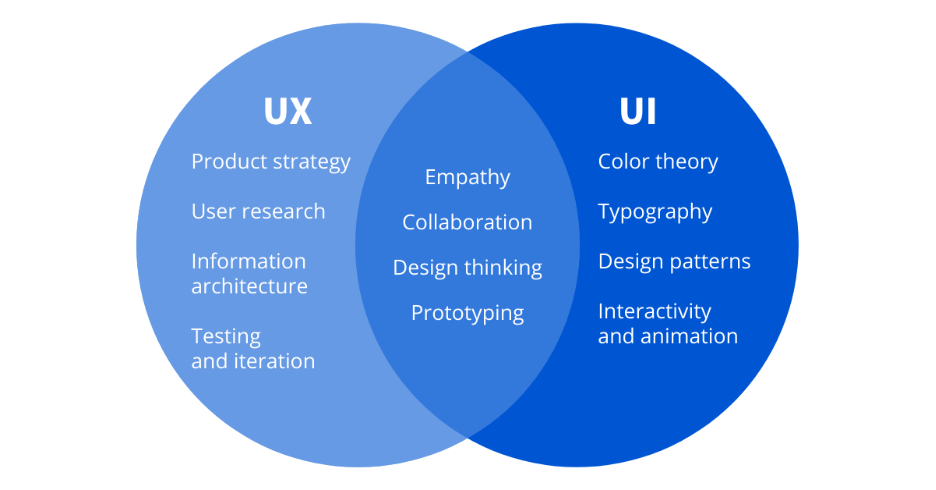
In 2026, user experience is a top priority.
What design includes:
- Wireframes and prototypes
- User journey mapping
- Responsive design
- Visual branding
Importance:
A well-designed interface ensures:
- Easy navigation
- Higher user engagement
- Better customer satisfaction
Good design is not just about looks—it’s about usability.
4. Software Architecture Design
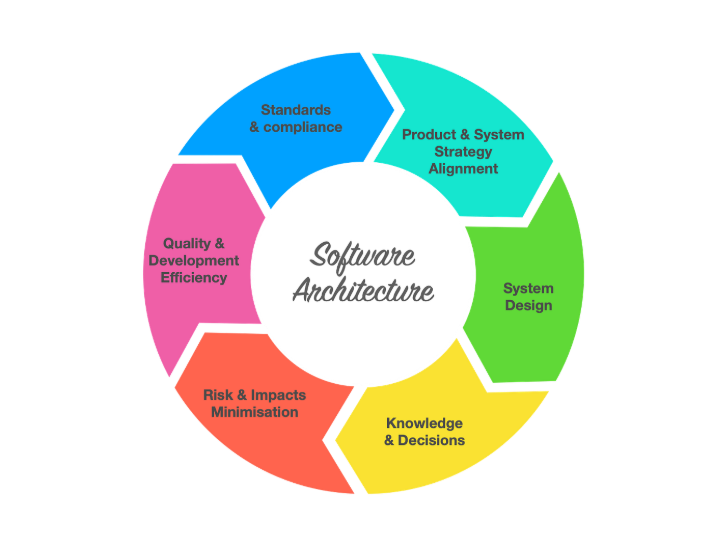
Architecture defines how the software will function internally.
Includes:
- System structure
- Database design
- API architecture
- Scalability planning
Why it matters:
A strong architecture ensures:
- High performance
- Future scalability
- Easy maintenance
Poor architecture can lead to costly issues later.
5. Frontend Development
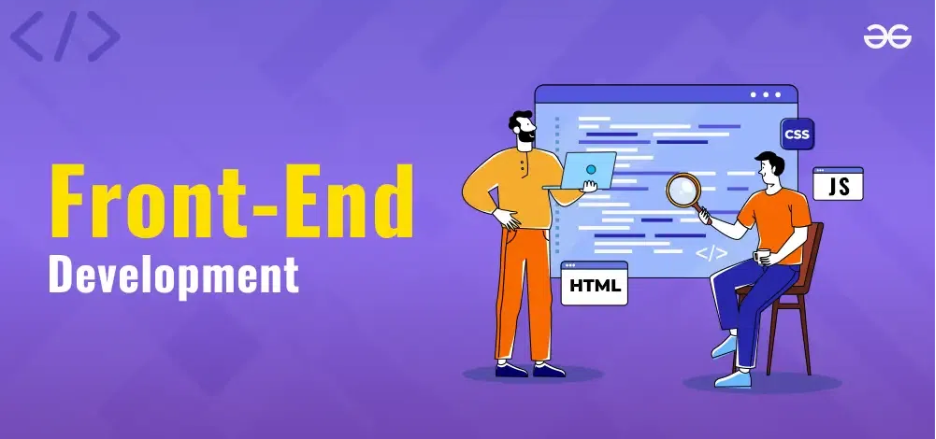
Frontend is what users interact with directly.
Components:
- User interface implementation
- Responsive layouts
- Interactive elements
Technologies used:
- Modern frameworks (React, Angular, etc.)
Goal:
To create a smooth and engaging user experience.
6. Backend Development
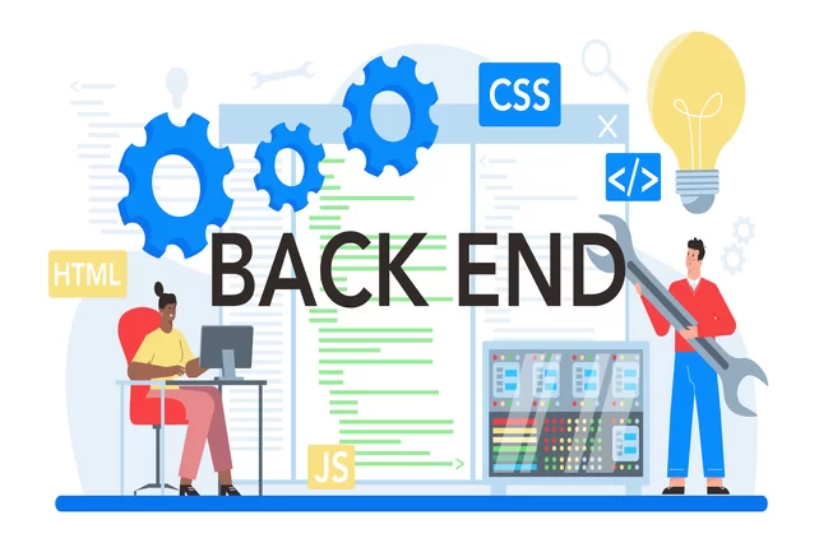
Backend handles the logic and functionality of the software.
Includes:
- Server-side logic
- Database management
- API development
- Authentication systems
Importance:
Backend ensures that the software runs efficiently and securely behind the scenes.
7. Database Development and Management
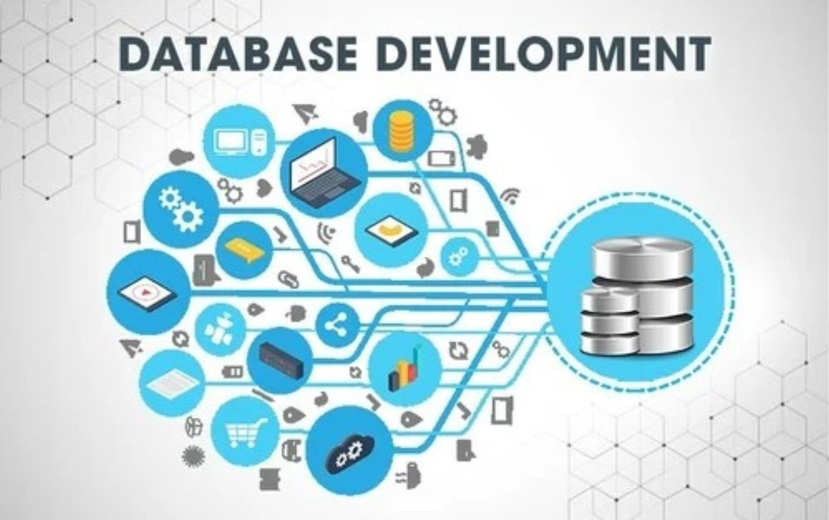
Data is the core of any software system.
What it includes:
- Database design
- Data storage and retrieval
- Data security
Benefits:
- Efficient data handling
- Fast performance
- Reliable information management
8. API Development and Integration
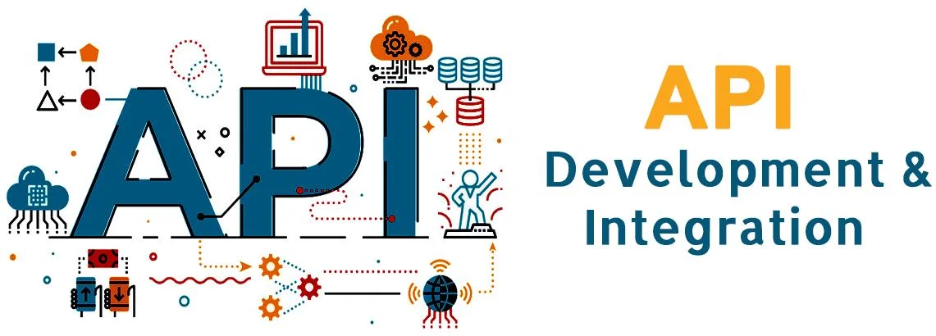
Modern software relies heavily on integrations.
Examples:
- Payment gateways
- Third-party services
- Cloud platforms
Benefits:
- Seamless functionality
- Extended capabilities
- Improved user experience
9. Integration with Emerging Technologies
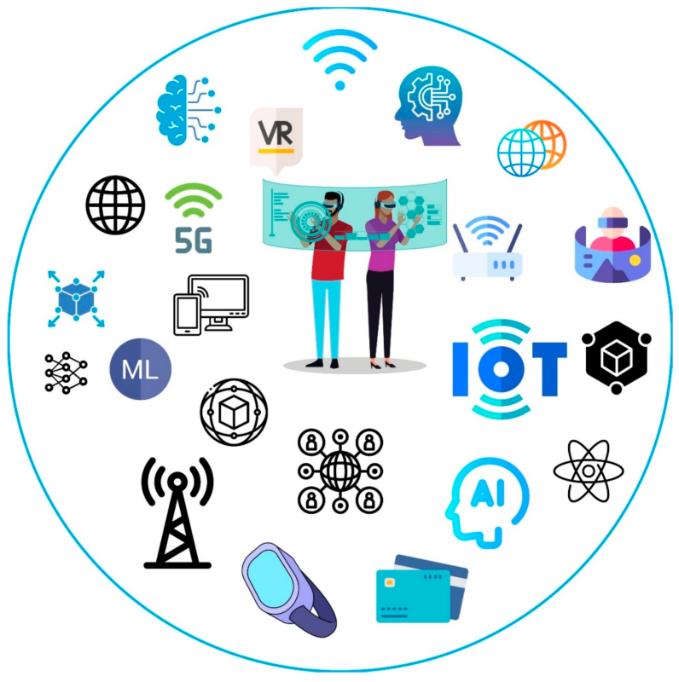
In 2026, custom software often includes advanced technologies.
Technologies integrated:
- Artificial Intelligence (AI)
- Machine Learning (ML)
- Cloud computing
- Internet of Things (IoT)
Impact:
- Smarter automation
- Predictive analytics
- Enhanced decision-making
10. Testing and Quality Assurance
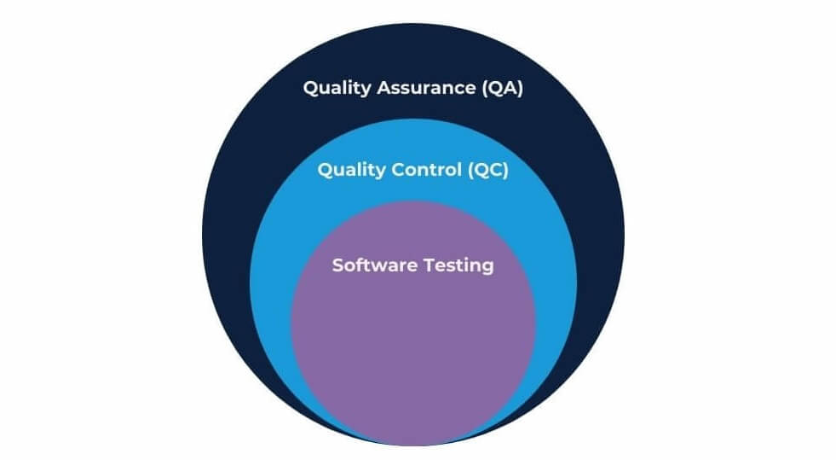
Quality is a critical part of software development.
Types of testing:
- Functional testing
- Performance testing
- Security testing
- User acceptance testing
Goal:
To ensure that the software is:
- Bug-free
- Secure
- Reliable
Testing prevents failures and improves user trust.
11. Deployment and Launch
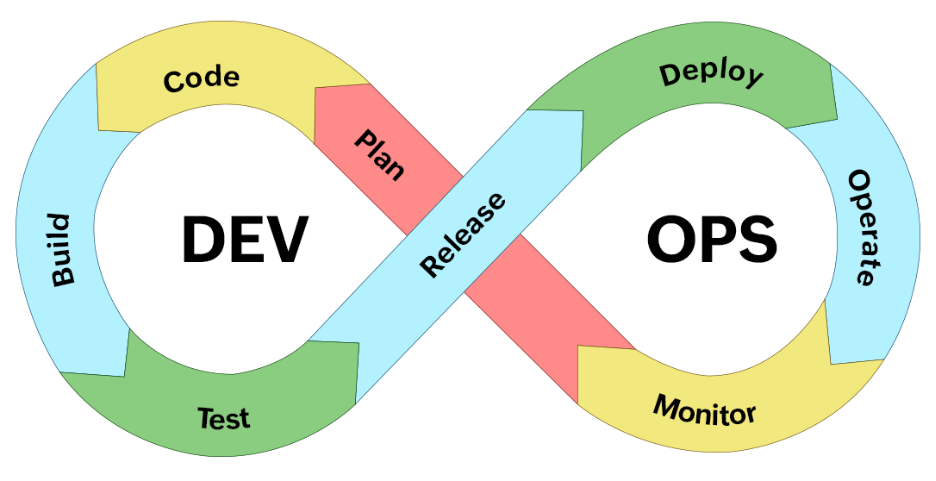
After testing, the software is ready to go live.
Includes:
- Server setup
- Cloud deployment
- Configuration
- Final checks
Importance:
A smooth deployment ensures minimal disruption and optimal performance.
12. Maintenance and Support
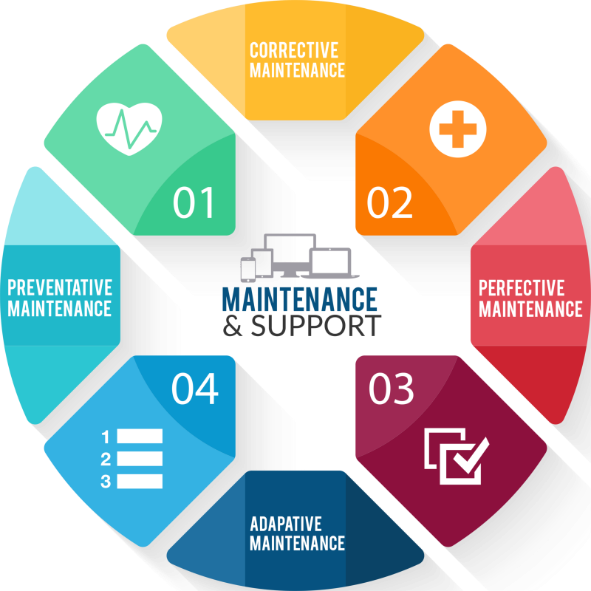
Software development does not end after launch.
Ongoing services:
- Bug fixes
- Performance optimization
- Feature updates
- Security patches
Benefits:
- Long-term reliability
- Continuous improvement
- Adaptation to changing needs
13. Security Implementation

Security is a top priority in 2026.
Measures include:
- Data encryption
- Secure authentication
- Access control
- Compliance with standards
Why it matters:
Protects business data and builds customer trust.
14. Scalability and Performance Optimization

Custom software must grow with your business.
Includes:
- Load handling
- Performance tuning
- Cloud scaling
Benefits:
- Handles increased users
- Maintains speed
- Supports expansion
15. Documentation and Training
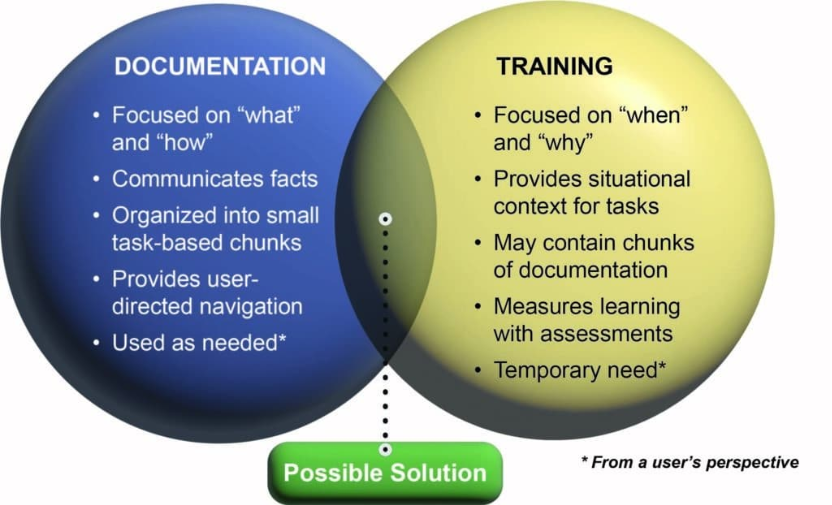
Proper documentation ensures smooth usage and maintenance.
Includes:
- User manuals
- Technical documentation
- Training sessions
Benefits:
- Easy onboarding
- Better understanding
- Reduced dependency
16. Continuous Improvement and Upgrades

Technology evolves, and software must evolve too.
Includes:
- Feature enhancements
- Technology upgrades
- UI/UX improvements
Goal:
To keep the software relevant and competitive.
Why Custom Software Development is Essential in
2026
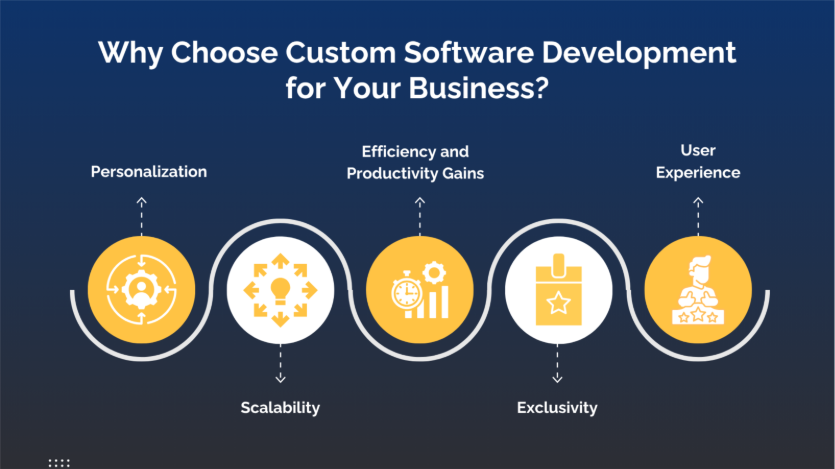
Custom software offers:
- Tailored solutions
- Better efficiency
- Competitive advantage
- Scalability
It enables businesses to operate smarter and faster in a digital-first world.
Why Choosing the Right Development Partner Matters

Custom software development is complex and requires expertise at every stage.
A reliable partner ensures:
- Quality development
- Timely delivery
- Scalable solutions
- Continuous support
Conclusion: Why Trionova is the Best Choice for
Custom Software Development

Custom software development in 2026 is a comprehensive process that goes far beyond coding. It involves strategy, design, development, integration, testing, deployment, and continuous improvement.
To fully leverage its benefits, businesses need a trusted and experienced development partner.
Trionova stands out as a leading choice for custom software development by offering:
- End-to-end development services
- Tailored solutions for unique business needs
- Expertise in AI, cloud, and modern technologies
- Scalable and secure architectures
- Dedicated support and maintenance
Trionova focuses on delivering not just software, but powerful digital solutions that drive real business growth.
If you want to build reliable, scalable, and future-ready software in 2026, choosing Trionova is the smartest decision.
Partner with Trionova and transform your ideas into impactful software solutions.